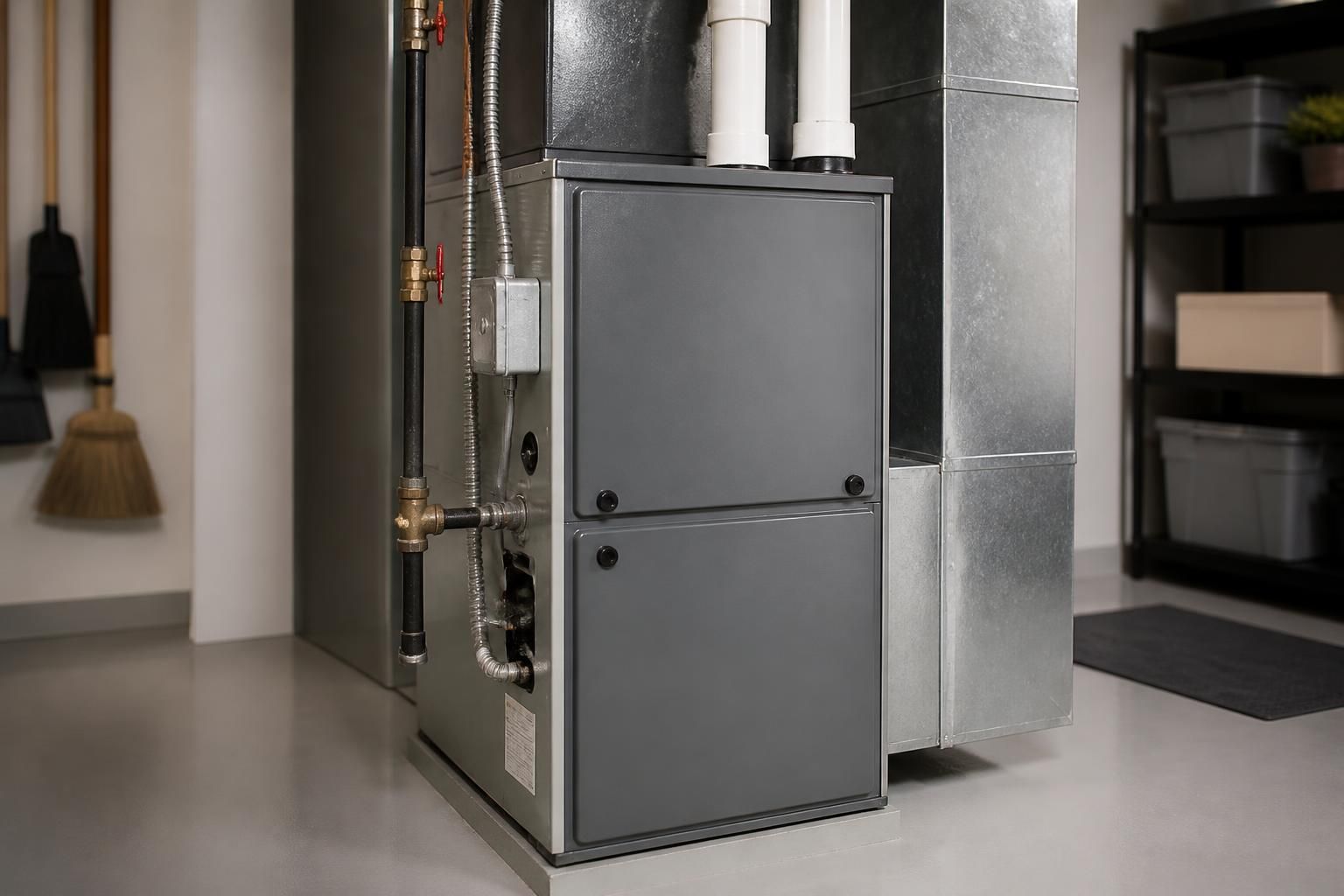
Furnace Repair in Kansas City
Fast answers for furnace trouble, with clear repair options and steady heat restored.
Fast answers for furnace trouble, with clear repair options and steady heat restored.
When your furnace starts making odd noises, sending weak heat, or cycling on and off, home comfort drops fast. If you are noticing cold rooms, higher utility bills, or a system that will not start when you need it, the next step is a careful repair visit that gets to the cause.
Bluefield Heating & Cooling helps homeowners across Kansas City, MO sort out furnace problems without guesswork. We listen to what the system is doing, inspect the parts that matter, and explain what needs repair so you can make a clear decision.
Some furnace problems begin with a small change that is easy to overlook. A smell, a sound, or a slight drop in warmth can point to a part that needs attention before the system gets harder to run.
If one or more of these sounds familiar, it is worth having the system checked before the issue spreads to other parts.
Furnace repair starts with a focused inspection. We look at the symptoms you noticed, then trace them to the component or setting causing the trouble. That keeps the repair conversation direct and useful.
If the furnace is struggling to start or produce steady warmth, the issue may involve ignition, flame sensing, or a part that is not supporting the heating cycle the way it should.
Weak airflow can make a furnace seem like it is not heating enough, even when the burner is running. We check the path the air follows so the system can deliver heat more consistently.
Some furnace problems come from controls or safety-related components that interrupt operation when readings are off. We test those areas and explain what the furnace is doing, not just what it is not doing.
Every furnace issue has its own fix. Sometimes a smaller repair is enough. Other times, a worn part or repeated breakdown pattern means a different approach makes more sense. We walk through the options so you can decide with confidence.
Bluefield Heating & Cooling keeps the process straightforward. We do not bury you in jargon. We explain what is happening, what it affects, and what repair steps are reasonable for your system.
Furnace problems often show up as patterns. Recognizing the pattern can help you describe the issue clearly and move the visit along faster.
A furnace that turns on and off too often may be reacting to airflow restrictions, sensing trouble, or another internal fault. Short cycles can leave the house cool and place extra strain on the system.
If one area of the house warms up while another stays cold, the furnace may not be delivering heat the way it should. That can point to airflow, control, or heat output concerns.
A furnace that suddenly becomes louder is trying to tell you something. New sounds often mean a part is loose, worn, or under stress and should be checked before the noise grows into a larger problem.
Some smells can appear when a furnace first starts for the season, but persistent odors should not be ignored. They can point to buildup, airflow trouble, or another condition that deserves attention.
A good furnace repair visit should feel clear from start to finish. We start by hearing what you noticed, then we inspect the furnace and related parts to narrow down the cause. From there, we explain what we found and what the repair would involve.
Homeowners often want to know what happens next, so here is the general flow:
That approach helps keep the visit organized and reduces guesswork for the homeowner.
Furnace trouble rarely stays the same for long. A small issue can make the system work harder, leave rooms cold, or create repeated shutdowns that wear on important parts. Taking care of the problem sooner can help avoid more disruption later.
There is also a comfort factor. Kansas City, MO homes need reliable heat when the furnace is part of the daily routine. If the system is struggling, even a minor repair can make a noticeable difference in how the house feels.
Bluefield Heating & Cooling often helps homeowners who waited to see if the problem would pass. In many cases, it did not. A timely repair visit gives you a clearer answer and a more dependable heating setup.
After a repair, it helps to pay attention to how the furnace behaves over the next few days. Watch for changes in start-up time, airflow, sound, and how evenly the home warms. Those details can help you spot a new concern early.
Seasonal tune-ups are also a smart way to stay ahead of furnace trouble. While a repair fixes a current issue, a tune-up helps catch wear, buildup, or small changes before they turn into another interruption. If your furnace has already shown signs of strain, it is worth keeping an eye on how it performs as the season continues.
If you need furnace repair in Kansas City, MO, we are ready to help with a direct, no-nonsense visit that focuses on the cause and the fix.
Cool air can mean the furnace is not producing heat as expected, or that airflow and control parts are interrupting the heating cycle. A visit can identify which part of the system needs attention.
Short cycling means the furnace starts and stops too often. It can happen when the system is under strain, senses a problem, or cannot complete a normal heating cycle.
New noises often point to a loose, worn, or stressed component. Rattling, squealing, or banging should be checked so the problem does not spread.
Uneven temperatures can happen when the furnace is not distributing heat the same way through the home. The cause may be tied to airflow, heat output, or another system issue.
If the furnace is cycling repeatedly or acting unpredictably, it is a good idea to stop using it until it can be inspected. That helps avoid extra wear and keeps the problem from getting worse.
Yes. If the issue is tied to a specific part or operating problem, fixing it can restore more even heat and a steadier indoor temperature.
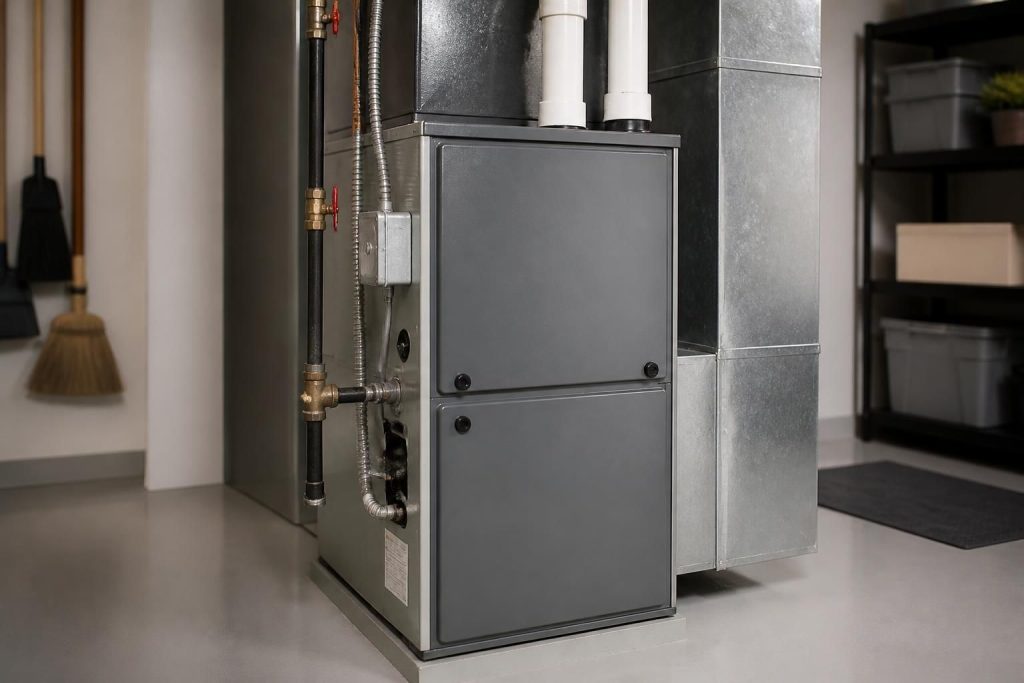
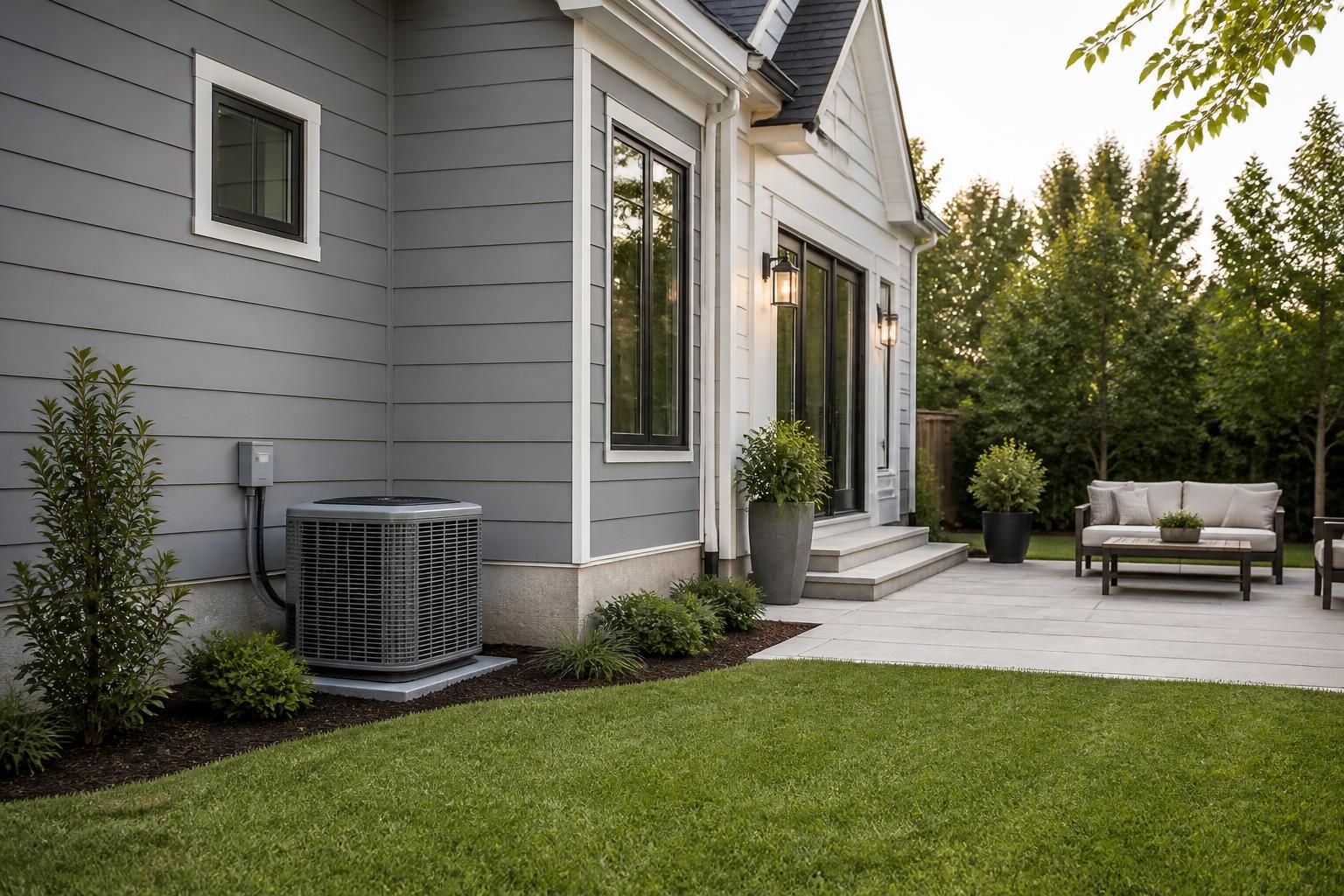
Share what your system is doing, and we will help you figure out the best next step for repair, replacement, or maintenance.